When a home emergency strikes, knowing how to respond swiftly and effectively can make all the difference. Whether it's a minor cut or a more serious accident, the immediate actions you take can help stabilize the situation until professional help arrives. Here’s a comprehensive guide on first aid for home emergencies, filled with practical advice to ensure you’re prepared for the unexpected.
First aid is the initial assistance given to a person suffering from either a minor or serious illness or injury. The goal is to preserve life, prevent the condition from worsening, and promote recovery. The key to effective first aid is staying calm and using the resources available to you at the time.
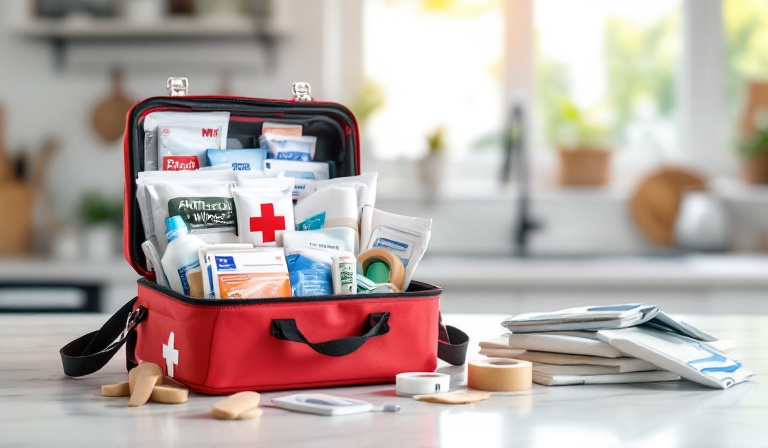
A well-stocked first aid kit is a must-have in every home. Here are some essential items to include:
Keep these supplies in a labeled, easily accessible place, and regularly check and replace expired items.
For minor cuts and scrapes, start by cleaning the wound with water and applying an antiseptic. Cover with a sterile bandage. If bleeding persists, apply pressure using a clean cloth or bandage until it stops. For deeper cuts, seek medical attention.
For minor burns, cool the affected area under running water for several minutes, then cover with a sterile, non-stick dressing. Avoid using ice, butter, or oils. Seek medical attention for severe burns that involve blistering or affect large areas of the body.
Rest, Ice, Compression, and Elevation (RICE) is the best approach. Rest the injured area, apply an ice pack wrapped in a cloth for 20-minute intervals, compress with an elastic bandage, and elevate the limb above heart level if possible.
Have the person sit upright and lean forward slightly. Pinch the soft part of the nose for about 10 minutes while breathing through the mouth. If bleeding continues, seek medical assistance.
If someone is choking, ask them to cough forcefully. If they can't cough, speak, or breathe, perform the Heimlich maneuver by standing behind them, placing a fist above their navel, and thrusting inward and upward.
While some emergencies can be managed at home, others require immediate professional help. Call emergency services if the person:
Provide the dispatcher with clear information about the situation and your location.
Cardiopulmonary resuscitation (CPR) is a lifesaving technique useful in many emergencies, such as a heart attack or near drowning. It's important to learn how to perform CPR correctly; consider taking a certified course. Remember, any attempt is better than none if you haven't been trained.
Education and preparation are crucial in managing home emergencies effectively. Consider the following tips:
By understanding first aid basics and ensuring your home is prepared, you can significantly improve the outcome of home emergencies. Remember, staying calm and informed is key to effectively handling any situation until professional help arrives.
Get expert help for your next home improvement project! Whether you're remodeling a kitchen, replacing a roof, or upgrading your floors, connect with top-rated local contractors for a **free, no-obligation estimate**. Fast. Easy. Hassle-Free.