Owning a home is a significant milestone, but it also comes with responsibilities, including understanding the basics of your home's electrical system. While you don't need to become an electrician, having a fundamental knowledge of how your electrical system works can save you time, money, and possibly prevent hazards.
Your home's electrical system is like its nervous system, delivering power to every room and appliance. It comprises several key components that work together to keep the lights on and your devices running.
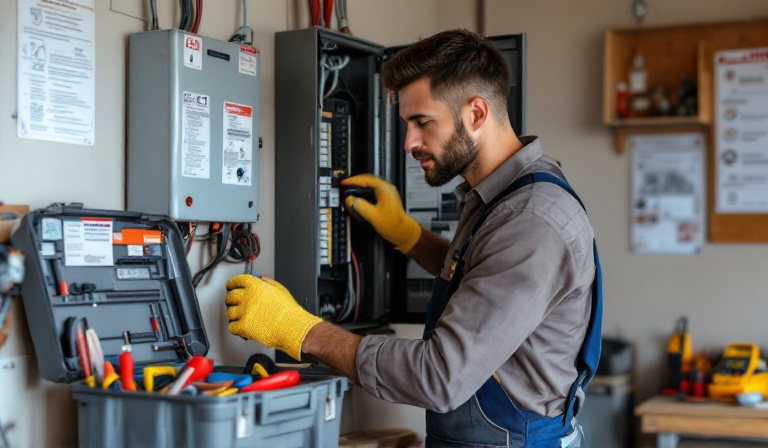
The electrical panel, often referred to as the breaker box, is the heart of your home's electrical system. It distributes electricity from the utility company to different circuits within your house. Understanding your electrical panel is crucial because it houses circuit breakers that protect your home from electrical overloads.
Tip: Locate your electrical panel and note which circuit corresponds to different parts of your home. This knowledge can be invaluable during a power outage or when performing maintenance.
Your home is divided into electrical circuits, each responsible for delivering power to a specific area or set of appliances. These circuits are made up of wiring that typically consists of three wires: hot, neutral, and ground. The hot wire carries electricity from the panel to the outlet, the neutral returns it, and the ground provides a safe path for excess electricity.
Insight: Older homes may have outdated wiring systems that lack a ground wire. If you live in an older home, consider hiring a professional to assess and, if necessary, update your wiring.
Even with a well-maintained electrical system, issues can arise. Knowing how to identify and address these problems can keep your home safe and functional.
A tripped circuit breaker is one of the most common electrical issues homeowners face. This typically occurs when a circuit is overloaded. The breaker trips to prevent overheating and potential fires.
Flickering lights can be annoying and may indicate a larger issue. Common causes include loose bulbs, faulty light switches, or wiring problems.
If you notice a sudden spike in your electricity bill, it might be due to inefficient appliances or electrical leaks.
Electrical safety is paramount in protecting your home from fires and electrical shocks. Here are some essential safety tips every homeowner should know.
GFCIs are designed to protect you from electrical shock by shutting off power when a ground fault is detected. They are especially important in wet areas like kitchens and bathrooms.
Advice: Ensure GFCIs are installed in all appropriate locations, and test them monthly to ensure they are functioning correctly.
Plugging too many devices into a single outlet can lead to overheating and potential fires.
Tip: Use power strips with built-in circuit breakers and spread out device usage across multiple outlets.
Regular inspections by a qualified electrician can identify and rectify potential issues before they become serious problems.
Insight: Schedule an electrical inspection every five years or sooner if you notice any signs of wear or issues.
While it's beneficial to understand your home's electrical system, certain tasks should always be left to professionals to ensure safety and compliance with local codes.
Call an electrician if you:
By equipping yourself with a basic understanding of your home's electrical system, you can ensure its efficient operation and maintain a safe environment for your family. Remember, when in doubt, always consult with a professional electrician to address any concerns or questions.
Get expert help for your next home improvement project! Whether you're remodeling a kitchen, replacing a roof, or upgrading your floors, connect with top-rated local contractors for a **free, no-obligation estimate**. Fast. Easy. Hassle-Free.