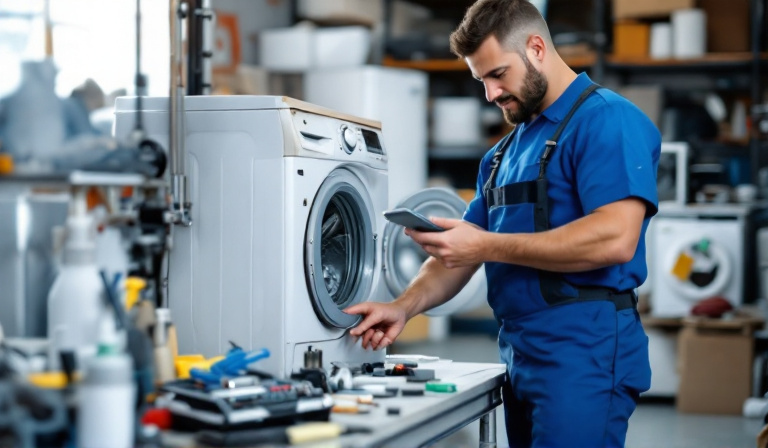
In the journey of life, we often find ourselves at crossroads with our possessions, be it a household appliance, a vehicle, or even technology gadgets. The dilemma of whether to repair or replace can be a tough decision, affecting not only our wallets but also our time and peace of mind. Understanding when to repair and when to replace is crucial for making informed choices that optimize both functionality and cost-effectiveness.
Understanding the True Cost
Before diving into the repair vs. replace debate, it’s essential to understand the actual costs involved. The financial aspect isn’t just the upfront price of a new item or the repair bill. Consider these factors:
- Long-term Costs: A new item might seem expensive upfront, but it could save money on energy efficiency and fewer repairs down the line.
- Frequency of Repairs: If an item is frequently breaking down, the cumulative cost of repairs might outweigh the price of a new item.
- Operating Costs: Newer models are often more energy-efficient, potentially lowering utility bills.
Evaluating the Condition
Assessing the current condition of your item is a critical step. Here’s how you can evaluate:
- Age: Consider the age of the item. Most appliances and electronics have a standard lifespan. For example, a refrigerator typically lasts around 10-15 years. If it’s nearing the end of its expected life, replacement might be more pragmatic.
- Performance: Is the item performing at its optimal level? Reduced efficiency often signals that the item is on its last leg.
- Safety: Items that pose safety hazards should be replaced immediately. This is non-negotiable when it comes to items like old wiring or malfunctioning appliances.
Environmental Impact
In 2025, environmental considerations are more critical than ever. Repairing extends the life of an item, reducing waste and conserving resources. However, newer models are often designed to be more eco-friendly. Balancing these aspects can guide your decision:
- Recyclability: Can the item be recycled easily, or does it contribute to landfill waste?
- Energy Consumption: Newer items tend to use less energy, which is better for the environment and your energy bills.
- Repairability: Some items are designed for repair, meaning parts are readily available and affordable. In such cases, repairing might be the green choice.
Timing is Everything
Timing can significantly influence your decision. Here’s how you can time your actions:
- Seasonal Sales: If you're considering replacement, watch for major sales events such as Black Friday, Cyber Monday, or end-of-season sales for discounts.
- Warranty Periods: Check if your item is still under warranty. A repair covered by a warranty is a no-brainer.
- Technological Advancements: In the tech world, waiting for the next model might bring better features at a lower price.
Signs It's Time to Replace
While it’s often tempting to repair, certain signs indicate that replacement is inevitable:
- Excessive Repair Costs: If repair costs exceed 50% of the cost of a new item, replacement might be more economical.
- Obsolete Technology: Sometimes, older technology cannot support new updates or software, making replacement necessary for functionality.
- Persisting Problems: An item that breaks down repeatedly despite repairs is a clear candidate for replacement.
Practical Tips for Making the Decision
Here are some practical tips to help you decide wisely:
- Consult Professionals: Sometimes, a professional opinion can provide clarity on whether an item is worth repairing or replacing.
- Cost-Benefit Analysis: Weigh the pros and cons of each option. Sometimes doing the math can reveal the more sensible choice.
- Research: Look into the latest models and technologies to understand what you might be missing out on by sticking with an older item.
- Emotional Value: For items with sentimental value, consider the emotional cost of letting go.
Conclusion
Deciding when to repair or replace is a nuanced decision that involves weighing financial, environmental, and personal factors. By evaluating your options carefully, you can make choices that are not only economically sound but also align with your values and lifestyle. In 2025, being a conscientious consumer means making informed decisions that balance cost, functionality, and impact on the planet.