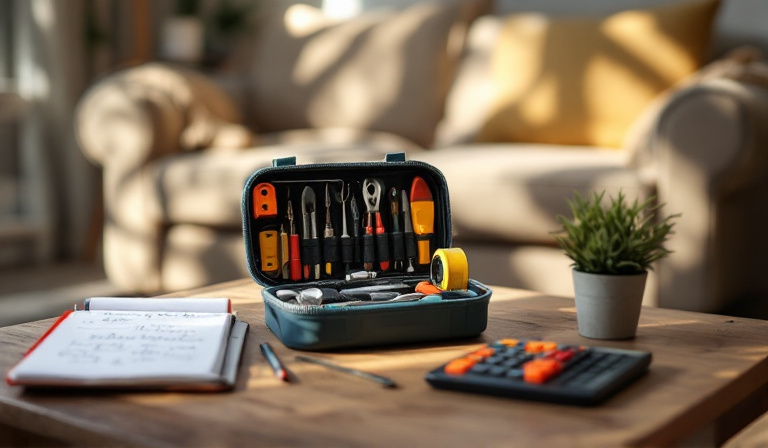
Our homes often demand attention, whether it's a leaky faucet, a creaky floorboard, or an aging appliance. Deciding whether to repair or replace these items can be a challenging decision. With budgets and time constraints to consider, making the right choice can save you money and ensure your home runs smoothly. This guide aims to help you navigate those tricky home fixes with confidence.
Assessing the Situation: Repair or Replace?
When faced with a malfunctioning item in your home, the first step is to assess the situation thoroughly. Here are a few questions to consider:
- What is the cost of repair versus replacement? - Compare the costs of repairing the item to the cost of replacing it. If the repair costs more than half the price of a new item, replacement might be the better option.
- How old is the item? - If the appliance or fixture is nearing the end of its expected lifespan, replacement could be more cost-effective in the long run.
- How often is it used? - High-use items might warrant a replacement to ensure reliability, while infrequently used items might be better candidates for repair.
- What is the environmental impact? - Consider the ecological footprint of disposing of the item and purchasing a new one. Sometimes, repairing can be the more sustainable option.
Common Home Fixes: Repair or Replace?
Let’s dive into some common home issues and explore when it might be best to repair or replace them.
Appliances
Household appliances like refrigerators, washing machines, and ovens are essential for daily life. Here’s how to decide:
- Refrigerators: If your fridge is less than 10 years old and the repair cost is less than half the cost of a new fridge, repairing it is often worthwhile. However, older models might not be as energy efficient, and replacement could lower your utility bills.
- Washing Machines: Consider replacement if your washer is over eight years old, especially if it has a major fault such as a broken drum or motor.
- Ovens: For gas ovens, replacement is advised if repairs exceed half the cost of a new unit, especially if there are issues with the heating elements or safety concerns.
Plumbing Issues
Plumbing problems, from leaky faucets to aging pipes, require prompt attention. Here’s what to consider:
- Leaky Faucets: Often, a simple seal or washer replacement can fix a leaky faucet. However, if the faucet is old or if leaks persist, replacing it might be more cost-effective.
- Water Heaters: Water heaters typically last about 10-15 years. If yours is nearing this age and requires a major repair, consider replacement to take advantage of newer, more efficient models.
Structural Components
Elements like roofs, floors, and windows are integral to your home’s structure and comfort. Here’s what to consider:
- Roofs: A well-maintained roof can last for decades. If only a few shingles are damaged, simple repairs can suffice. However, widespread damage or leaks often necessitate replacement.
- Floors: Hardwood floors with scratches can often be refinished, but if there is structural damage or extensive wear, replacement may be necessary.
- Windows: Drafty windows can sometimes be resealed, but if they are old and inefficient, replacing them can reduce energy bills and improve comfort.
Cost-Benefit Analysis
Conducting a cost-benefit analysis can be a practical approach to deciding whether to repair or replace. Here’s a simple method to follow:
- List the costs: Include the direct costs of repair and replacement, and factor in indirect costs such as potential energy savings or increased home value.
- Consider the lifespan: Compare the expected remaining lifespan of the repaired item versus a new replacement.
- Evaluate the benefits: Consider benefits like improved efficiency, reduced maintenance, and peace of mind.
Making the Decision
Ultimately, the decision to repair or replace will depend on your specific circumstances. Here are a few additional tips to guide you:
- Consult a professional: When in doubt, seek advice from a trusted professional who can provide insights based on their experience.
- Check warranties: Before making a decision, check if your item is still under warranty, which might cover repair costs.
- Consider future needs: Think about whether your needs might change soon, which could affect whether repair or replacement is more suitable.
Conclusion
Deciding whether to repair or replace items in your home is a common challenge faced by homeowners. By carefully assessing the situation, considering costs and benefits, and consulting professionals when necessary, you can make informed decisions that benefit both your home and your wallet. Remember, every situation is unique, and taking the time to evaluate your options will lead to the best outcomes.