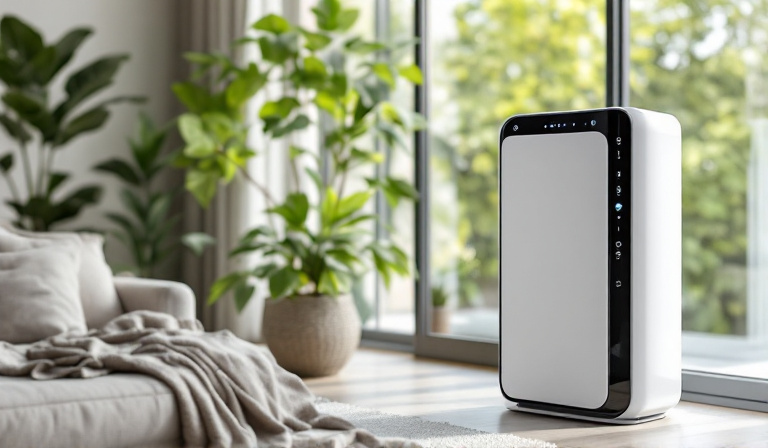
In recent years, the conversation around indoor air quality has intensified, and with it, the popularity of home air purifiers. As we navigate through 2025, it's essential to understand whether these devices are a worthwhile investment or merely a passing trend. Let's delve into the real benefits of home air purifiers and explore whether they are a necessity for your living space.
Understanding Indoor Air Quality
Indoor air quality (IAQ) refers to the condition of the air within and around buildings and structures, particularly as it relates to the health and comfort of building occupants. The air inside our homes can be more polluted than the air outside, with pollutants coming from various sources such as cleaning products, building materials, and even outdoor air that seeps inside.
Common Indoor Air Pollutants
Before deciding whether an air purifier is necessary, it's helpful to understand what pollutants might be lurking in your home:
- Dust and Dust Mites: Common in every household, dust can aggravate allergies and asthma.
- Pollen: Seasonal allergies can be exacerbated by pollen entering the home.
- Pet Dander: Tiny flecks of skin shed by cats, dogs, and other pets can trigger allergic reactions.
- Volatile Organic Compounds (VOCs): Emitted by household products like paints and disinfectants, VOCs can cause a range of health issues.
- Mold Spores: Mold thrives in damp areas and can lead to respiratory issues.
- Bacteria and Viruses: These can be transmitted through the air and surface contact.
How Do Air Purifiers Work?
Air purifiers are designed to filter and clean the air by removing impurities and pollutants. Most purifiers use a combination of filters to capture particles:
- HEPA Filters: High-efficiency particulate air (HEPA) filters are highly effective at trapping tiny particles, including dust, pollen, and pet dander.
- Activated Carbon Filters: These are effective at removing odors and VOCs from the air.
- UV Filters: Ultraviolet light filters can kill bacteria and viruses, making them useful during flu seasons.
Many modern air purifiers combine these technologies to provide comprehensive air cleaning.
Benefits of Using an Air Purifier
There are several advantages to incorporating an air purifier into your home environment:
- Allergy Relief: By removing allergens like pollen, dust, and pet dander, air purifiers can significantly reduce allergy symptoms.
- Odor Elimination: Air purifiers with activated carbon filters can effectively neutralize unpleasant odors from cooking, smoking, and pets.
- Mold Prevention: By reducing humidity levels and eliminating mold spores, air purifiers can prevent mold growth.
- Improved Respiratory Health: Cleaner air can alleviate symptoms of asthma and other respiratory conditions.
- Better Sleep: By reducing allergens and improving air quality, air purifiers can contribute to a more restful sleep.
Do You Really Need an Air Purifier?
Whether you need an air purifier depends on several factors:
- Location: If you live in an area with high air pollution or seasonal wildfires, an air purifier might be essential.
- Allergies and Health Conditions: Individuals with allergies, asthma, or other respiratory issues may benefit significantly from using an air purifier.
- Home Environment: Homes with pets, smokers, or frequent use of chemical-based cleaning products may have more pollutants.
If you identify with any of these scenarios, an air purifier could be a valuable addition to your home.
Choosing the Right Air Purifier
When selecting an air purifier, consider the following tips:
- Room Size: Choose a purifier that matches the size of the room you intend to use it in. Larger rooms may require more powerful units.
- Filter Type: Consider what pollutants you need to address and choose filters accordingly (e.g., HEPA for allergens, activated carbon for odors).
- Noise Level: Some purifiers can be noisy, so check the noise level if you plan to use it in a bedroom or office.
- Maintenance Costs: Factor in the cost of replacement filters and other maintenance needs.
By taking these elements into account, you'll be more equipped to choose a purifier that suits your needs and lifestyle.
Additional Tips to Enhance Indoor Air Quality
While air purifiers are effective, they are not the sole solution. Here are additional measures to improve your home's air quality:
- Ventilation: Regularly open windows to allow fresh air to circulate.
- Houseplants: Incorporate indoor plants known for their air-purifying properties, such as snake plants and peace lilies.
- Regular Cleaning: Vacuum regularly with a HEPA-filter vacuum and dust surfaces to prevent buildup.
- Humidity Control: Use dehumidifiers in damp areas to prevent mold growth.
In conclusion, while not every home may need an air purifier, they can be a significant asset for improving indoor air quality, particularly in environments with high pollution levels or for individuals with specific health concerns. By understanding your needs and the options available, you can make an informed decision that best supports the health and well-being of your household.