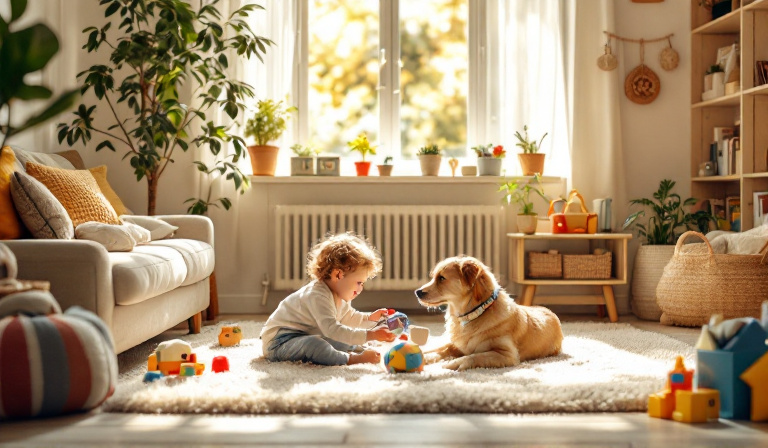
Creating a safe and nurturing environment for both children and pets is a rewarding endeavor that ensures peace of mind and happiness at home. Balancing the needs of little ones and furry companions can seem challenging, but with careful planning and mindful adjustments, it's entirely possible to create a harmonious space where everyone can thrive. Here are some practical tips and insights to help you achieve a home that's safe and welcoming for both little feet and paws.
Understanding the Needs of Little Ones and Pets
Before diving into safety measures, it's essential to understand the unique needs of both children and pets. Children, especially toddlers, are naturally curious and love to explore their environment. This exploration can lead them into potentially dangerous situations if the home isn't properly safeguarded. On the other hand, pets, whether they are dogs, cats, or other animals, have instincts and behaviors that might not always align with a child's safety.
Childproofing Basics
Childproofing your home is the first step towards creating a safe environment for your children. Here are some essential tips:
- Secure Furniture: Anchor heavy furniture like bookshelves and TVs to the wall to prevent tipping. Children often use furniture to steady themselves, and unsecured items can pose a significant risk.
- Use Safety Gates: Install safety gates at the top and bottom of staircases and in doorways to restrict access to potentially dangerous areas.
- Lock Cabinets and Drawers: Utilize childproof locks on cabinets and drawers, particularly those that contain cleaning supplies, medications, or sharp objects.
- Cover Electrical Outlets: Use outlet covers to prevent curious fingers from exploring electrical sockets.
- Install Window Guards: Ensure that windows have guards or stops to prevent falls. Screens are not substitutes for window guards.
Pet-Proofing Your Home
Pets require their own set of safety considerations. Here are some ways to pet-proof your home:
- Secure Trash Cans: Pets can be attracted to the smells from trash cans. Securely fasten lids or store trash cans in cabinets to prevent pets from rummaging through them.
- Store Food Properly: Keep human food out of reach. Many foods that are safe for humans can be toxic to pets, such as chocolate, grapes, and onions.
- Hide Cords and Cables: Chewing on electrical cords can be dangerous for pets. Use cord covers or hide them behind furniture.
- Ensure Plants are Safe: Some common houseplants are toxic to animals. Ensure that plants are non-toxic or keep them out of reach.
- Create a Safe Space: Provide a designated area where your pet can retreat and feel safe, equipped with their bed, toys, and water.
Designing a Harmonious Living Space
Creating a home that's safe for both children and pets involves designing a space that accommodates the needs and habits of both. Here are some ideas:
- Choose Durable Materials: Opt for furniture and flooring materials that can withstand wear and tear from both children and pets. Consider stain-resistant fabrics and scratch-proof flooring.
- Create Boundaries: Use furniture and decor to define spaces. For example, a low shelf or a room divider can create a safe play area for children while keeping pets at bay.
- Incorporate Storage Solutions: Use baskets and bins to keep toys organized and out of the way. This not only keeps the home tidy but also reduces tripping hazards.
- Invest in Pet-Friendly Furniture: Look for furniture designed with pets in mind, such as couches with removable, washable covers.
Encouraging Positive Interactions
Fostering positive relationships between children and pets is crucial for a harmonious home. Here are some tips to encourage healthy interactions:
- Teach Respect and Boundaries: Educate children on how to approach and handle pets gently. Teach them to respect a pet's space and understand signs of discomfort.
- Supervised Playtime: Always supervise interactions between young children and pets. This ensures that playtime remains safe and enjoyable for both parties.
- Encourage Gentle Behavior: Model gentle behavior for your children when interacting with pets. Praise them when they exhibit kindness and gentleness.
- Provide Training for Pets: Basic obedience training for pets can help manage behavior and ensure they respond well to commands, reducing the risk of accidental harm.
Emergency Preparedness
It's always wise to be prepared for emergencies. Here are some steps you can take:
- First Aid Kits: Keep a well-stocked first aid kit for both children and pets. Familiarize yourself with basic first aid procedures.
- Emergency Contacts: Have a list of emergency contacts readily available, including your pediatrician, veterinarian, and poison control.
- Plan for Emergencies: Have a plan in place for emergencies, such as fires or natural disasters, that includes both children and pets. Practice evacuation drills regularly.
Conclusion
Creating a home that's safe for both little feet and paws is a continuous process of learning and adapting. By taking proactive steps to childproof and pet-proof your home, designing spaces that cater to the needs of both, and encouraging healthy interactions, you can enjoy a peaceful and joyful environment. Remember, the goal is to create a home where every member of the family, human and animal alike, feels safe and loved.