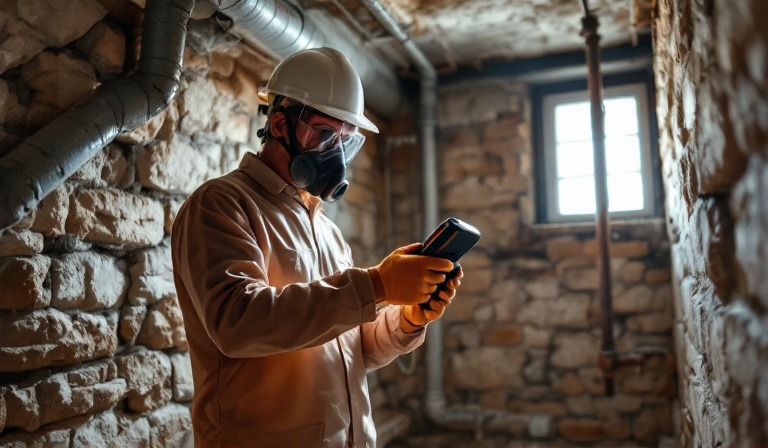
Living in an older home can be a charming experience, full of character and history. However, along with the charm can come certain hidden hazards that modern homes often avoid. These hazards, such as radon and asbestos, can pose significant health risks if not properly managed. In this article, we'll explore these hidden dangers, how to identify them, and what steps you can take to protect your health and home.
Radon is a naturally occurring radioactive gas that can seep into homes through cracks in floors, walls, and foundations. It's colorless, odorless, and tasteless, making it undetectable without proper testing. Long-term exposure to high levels of radon is the second leading cause of lung cancer after smoking, according to the Environmental Protection Agency (EPA).
Radon is produced from the natural breakdown of uranium in soil, rock, and water. It can enter your home through:
Testing for radon is simple and inexpensive. You can purchase a radon test kit online or from home improvement stores. If your test reveals radon levels of 4 pCi/L (picocuries per liter) or higher, the EPA recommends taking action to reduce radon levels.
Mitigation systems can effectively reduce radon levels in homes. These systems typically use a vent pipe system and fan to pull radon from beneath the house and vent it to the outside. Professional radon mitigators can assess your home and install the appropriate system.
Asbestos is a group of naturally occurring minerals that were once widely used in construction for their fire-resistant properties. Unfortunately, asbestos fibers are hazardous when inhaled, leading to lung diseases such as asbestosis, lung cancer, and mesothelioma.
Asbestos can be found in various building materials, including:
Identifying asbestos without testing is difficult, as it was often mixed with other materials. If you suspect your home contains asbestos, it's crucial not to disturb it, as this can release fibers into the air.
Professional asbestos inspectors can test and identify asbestos in your home. If removal is necessary, hire a licensed asbestos abatement contractor to safely manage the process.
Beyond radon and asbestos, older homes may harbor additional hazards that require attention. Here are some common issues to be aware of:
Lead-based paint was commonly used in homes built before 1978. Lead exposure can lead to serious health problems, particularly in children. If you suspect lead paint in your home, consider hiring a certified professional to test and, if necessary, safely remove or seal it.
Mold thrives in damp environments and can cause respiratory problems and allergic reactions. Older homes with poor ventilation or water damage are particularly susceptible. Regular inspections and prompt repairs to leaks and water damage can help prevent mold growth.
Older homes may have outdated electrical systems that pose fire hazards. Knob-and-tube wiring, for example, lacks the capacity to handle modern electrical loads. An inspection by a qualified electrician can identify potential issues and recommend necessary upgrades.
Over time, the structural integrity of an older home can deteriorate. Look for signs of foundation issues, such as cracks in walls or uneven floors, and consult a structural engineer if you have concerns.
Ensuring the safety of your older home involves regular inspections, testing, and maintenance. Here are some steps to help protect your health and home:
By taking proactive steps, you can enjoy the charm of your older home while minimizing health risks posed by hidden hazards. Remember, the key to a healthy home is awareness, vigilance, and timely action.
Get expert help for your next home improvement project! Whether you're remodeling a kitchen, replacing a roof, or upgrading your floors, connect with top-rated local contractors for a **free, no-obligation estimate**. Fast. Easy. Hassle-Free.