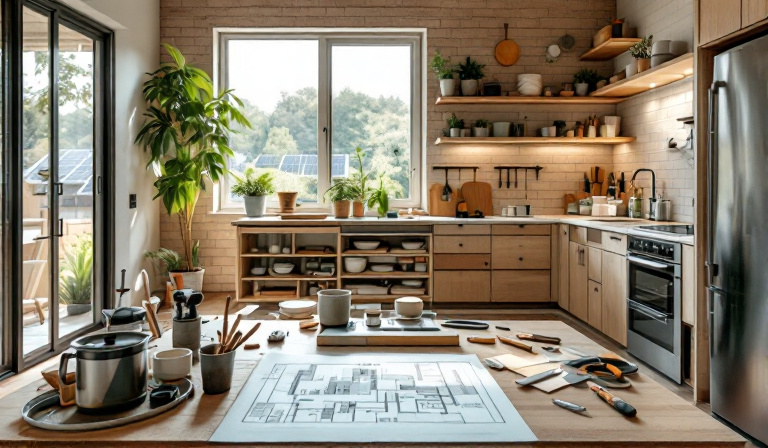
Embarking on a home renovation journey can be both exciting and daunting. When you're looking to make eco-friendly choices, it becomes even more important to carefully plan each step. Environmentally conscious renovations not only benefit the planet but can also lead to significant savings on energy bills and improve the overall health of your home. Whether you're a seasoned eco-warrior or just starting to embrace sustainability, knowing where to start with eco-friendly renovations is crucial. Here's a comprehensive guide to help you navigate this process.
Understanding the Benefits of Eco-Friendly Renovations
Before diving into the details of eco-friendly renovations, it’s important to understand why they are beneficial. Here are a few compelling reasons:
- Reduced Environmental Impact: Eco-friendly renovations help decrease your carbon footprint, reduce waste, and conserve natural resources.
- Cost Savings: Although some eco-friendly materials may have a higher upfront cost, they often lead to savings on utility bills due to improved energy efficiency.
- Improved Health: By using non-toxic materials, you can improve indoor air quality, making your home healthier for you and your family.
- Increased Property Value: Sustainable homes are increasingly in demand, which can boost your property's market value.
Where to Start: Prioritizing Your Renovations
Starting an eco-friendly renovation project requires careful planning. Focus on areas that have the most significant environmental impact and where you can achieve the greatest energy savings:
1. Energy Efficiency
Improving energy efficiency is often the first step in eco-friendly renovations. Consider the following:
- Insulation: Proper insulation in walls, attics, and floors can drastically reduce energy consumption. Choose sustainable materials like recycled denim or cellulose.
- Windows and Doors: Upgrade to energy-efficient windows and doors to prevent heat loss.
- Solar Panels: Installing solar panels can significantly decrease reliance on non-renewable energy sources.
2. Water Efficiency
Water conservation is another key aspect of eco-friendly renovations. Here’s how you can make your home more water-efficient:
- Low-Flow Fixtures: Install low-flow toilets, showerheads, and faucets to reduce water usage.
- Rainwater Harvesting: Set up a rainwater harvesting system to collect and use rainwater for gardening or flushing toilets.
- Greywater Systems: Consider installing a greywater system to reuse water from baths, sinks, and laundry.
3. Sustainable Materials
Choosing sustainable materials is crucial for any eco-friendly renovation project:
- Reclaimed Wood: Use reclaimed wood for flooring and furniture to give materials a second life.
- Bamboo: Opt for bamboo, a rapidly renewable resource, as an alternative to traditional hardwoods.
- Recycled Metal and Glass: Incorporate recycled metal and glass in your design for a modern aesthetic.
4. Indoor Air Quality
Improving the air quality inside your home is vital for a healthy living environment:
- Non-Toxic Paints: Use low-VOC or zero-VOC paints to minimize exposure to harmful chemicals.
- Ventilation: Ensure your home is well-ventilated to reduce indoor pollutants.
- Houseplants: Incorporate houseplants that purify air naturally.
Planning and Budgeting for Eco-Friendly Renovations
Once you have identified the areas to focus on, it’s time to plan and budget:
- Set Clear Goals: Determine what you want to achieve with your renovations, be it energy savings, water conservation, or improved air quality.
- Create a Budget: Establish a budget that includes both materials and labor, keeping in mind that some investments may have long-term financial returns.
- Research Rebates and Incentives: Look into government or local incentives for eco-friendly renovations, as these can reduce costs significantly.
Finding the Right Professionals
Working with professionals who have experience in eco-friendly renovations can make a significant difference:
- Architects and Designers: Find experts who specialize in sustainable design.
- Contractors: Choose contractors who are knowledgeable about eco-friendly building practices.
- Energy Auditors: Consider hiring an energy auditor to identify areas for improvement in your home.
Conclusion
Eco-friendly renovations are a worthwhile investment for both the planet and your home. By focusing on energy efficiency, water conservation, sustainable materials, and indoor air quality, you can create a space that is both environmentally friendly and comfortable. Remember to plan carefully, set a realistic budget, and work with experienced professionals to bring your vision to life. As you embark on this journey, you'll not only contribute to a healthier planet but also enjoy the benefits of a more sustainable home.